






Brand Identity ·
Fragrance Branding ·
Packaging Design ·
Perfume Brand ·
Private Label Fragrance ·
Private Label Perfume ·
Product Experience ·
Wholesale ·
How to Package Perfume Samples Like a Luxury Brand
Turn your perfume samples into brand building moments that actually convert
You can spend months perfecting a fragrance. Testing. Tweaking. Chasing that one note that makes it unforgettable. We get it :)
And then… you realize you have to sell your fragrance online. If only monitors were scratch + sniff. We are here for that day.
In the meantime, perfume samples.
Your sample isn’t just a sample. It’s your first impression, your positioning, your proof.
And here’s the part most founders miss:
People don’t just smell your fragrance. They experience your brand before they ever spray it.
If you’re launching a fragrance line, this is where you quietly win… or lose.
What Sample Packaging Actually Does
Let’s reframe this.
Your sample is not:
- A freebie
- A tester
- A throwaway
It’s:
- A conversion tool
- A brand introduction
- A trust builder
Packaging answers the question your customer is too polite to ask: is this brand legit?
And it does it instantly.
Before scent. Before notes. Before dry down.
Start With Positioning (Not Packaging)
Before you order a single pouch, box, or label… pause.
This is where smart brands separate themselves.
Ask yourself:
- Who is my customer?
- Where will I sell?
- What price point am I playing in?
Because packaging that works on Etsy doesn’t usually work in a boutique. Trust me on this. Been there. Done that.
Packaging that feels right for a $7 sample doesn’t work for a $40 one.
Where your product lives matters
-
Etsy / DTC startup:
You can lean into handmade, scrappy, charming. Customers expect it. -
Boutiques / spas / Anthropologie style retail:
Everything needs to feel curated, tactile, cohesive. -
Luxury positioning:
Minimal, intentional, structured. No chaos. -
Events / perfume bars:
Visual impact matters. Fast recognition matters.
If your packaging doesn’t match where you’re selling, customers feel it immediately.
Aesthetic: Build a Clear Visual Language
This is where most founders go sideways.
They mix:
- Pastels
- Kraft paper
- Holographic stickers
- Script fonts
All in one product.
It feels… confused.
You don’t need more ideas. You need a lane.
Choose one clear direction
Clean + Minimal
- Whites, oat tones, soft gray
- Simple serif fonts
- Plenty of whitespace
- Feels calm. Elevated. Modern.
Apothecary + Earthy
- Kraft paper
- Black ink
- Slightly imperfect finishes
Feels nostalgic. Handmade. Ingredient driven.
Playful + Trend-Forward
- Pastels, color blocking
- Rounded fonts
- Soft touch finishes
Feels giftable. Fun. Social media ready.
Luxury + Editorial
- Black, gold, deep tones
- Sharp typography
- Structured packaging
Feels expensive. Intentional. Collected.
Question for you:
If someone saw your sample on a table with ten others… would they know it’s yours?
Color Strategy (This Is Emotional, Not Just Visual)
Color is the fastest way to communicate.
It sets the tone before your customer reads a single word.
- Blue feels fresh, coastal, calming
- Green signals natural, botanical, clean
- Pink leans romantic, soft, feminine
- Black reads bold, luxe, elevated
- Kraft tones feel grounded, earthy, handmade
But here’s the nuance:
Finish matters just as much as color.
- Matte vs gloss
- Soft touch vs slick
- Muted vs saturated
A matte pastel feels refined.
A glossy pastel feels playful.
Same color. Completely different perception.
Labels: The Smallest Detail With the Biggest Impact
Your label is your brand in miniature.
And most people overcomplicate it.
What you actually need:
- Brand name
- Fragrance name
- Format or size
That’s it.
What to avoid:
- Too many fonts
- Too much text
- Trying to explain everything
Clarity always feels more premium than complexity.
DIY vs Scaled
If you’re early:
- Canva templates
- Thermal printers like Rollo
- Black on single color labels
If you’re growing:
- Professionally printed labels
- Specialty finishes (matte, foil, embossing)
- Bulk ordering for consistency
The difference maker?
Spacing.
Margins. Alignment. Breathing room.
That’s what separates:
Homemade → Elevated
Materials: Where Your Brand Becomes Physical
This is where packaging turns into an experience.
And where perceived value is built.
Fabric Bags: Soft, Giftable, Emotional
Fabric instantly elevates your product.
It says: this is worth keeping.
Types of bags
Organza
- Lightweight, sheer
- Budget friendly
- Feminine, delicate
Satin
- Smooth, glossy
- Feels luxurious
- Ideal for slightly elevated positioning
Canvas, Linen, Muslin Cloth
- Structured, natural
- Earthy, lifestyle driven
Leather or Faux Leather
- Durable, elevated
- Strong luxury signal
Real example
A simple canvas cloth bag with a hand stamped logo in a navy blue communicates coastal. While a natural linen or earthy shade of linen is perfect for eco or wellness brands.
Each option communicates:
- Lifestyle
- Mood
- Brand story
Without saying a word.
Paper Packaging: The Most Versatile Option
Paper is one of the most underrated tools.
It can go:
- Minimal
- Bold
- Vintage
- Playful
Styles to explore
- Floral prints for romantic brands
- Kraft for apothecary vibes
- Solid color for modern brands
- Clean white for minimalist luxury
Why it works
- Affordable
- Easy to customize and source
- Easy to scale
If you’re overwhelmed, start here.
Mylar Pouches: Modern, Practical
These are trending hard right now.
And for good reason.
Options
- Macaron inspired pastels
- Clear, glossy
- Glassine, translucent
- Matte finishes
- Holographic color shifting
Why brands love them
- Durable
- Lightweight
- Seals easily
- Looks great on camera
Add a custom sticker and you’re done.
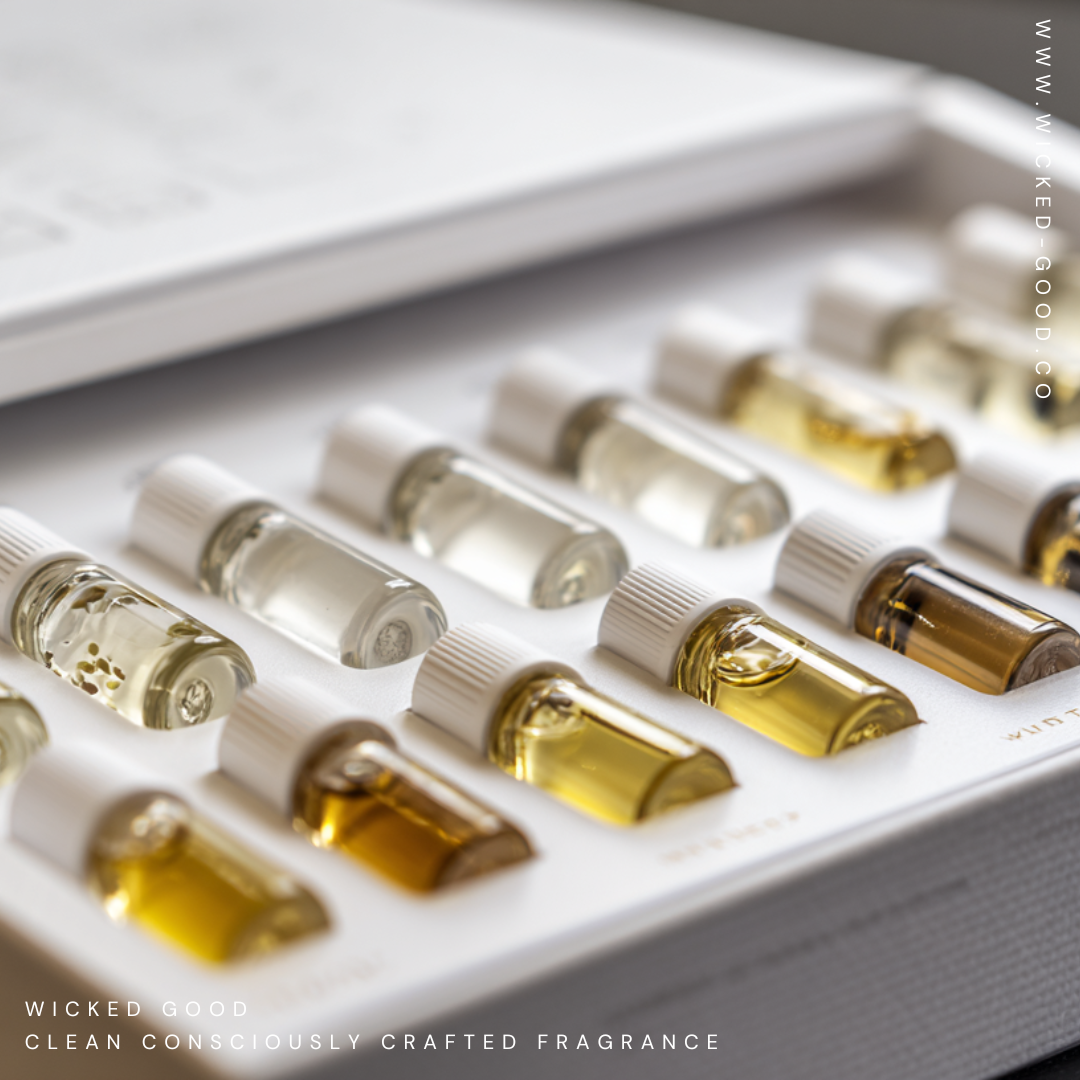
Boxes + Kits: Premium Experience, Higher Effort
If you want your brand to feel elevated fast… this is it.
Options
- Drawer style boxes
- Magnetic closure boxes
- Mini jewelry style packaging
Best for
- Perfume flights
- Discovery kits
- Gift sets
But here’s the truth
They look incredible.
They also:
- Take time to assemble, source
- Cost more + higher shipping
- Require storage
If you go this route, build systems early. Or it will slow you down fast.
The Labor Reality (No One Talks About This Enough)
Let’s get honest.
Packaging takes time.
A lot of it.
Example breakdown
- Filling a vial: 3-5 minutes
- Labeling: 30 seconds
- Packaging: 45 seconds
- That’s over five minutes per sample.
Now multiply:
- 100 orders
- 500 orders
- 1000 orders
This is where founders get stuck
They create something beautiful, unique and different…
And then can’t keep up with demand.
Scaling Without Losing Your Brand
You don’t need to sacrifice your aesthetic to grow.
But you do need to evolve.
Phase 1: Handmade
- Hand stamping
- Small batch assembly
- Personal touches
Phase 2: Streamlined
- Pre printed labels
- Bulk packaging prep
- Faster assembly
Phase 3: Scaled
- Outsourced components
- Pre packed inventory
- Fulfillment systems
The mistake?
Trying to scale a handmade process without changing anything.
That’s burnout waiting to happen.(Just ask me)
Cost vs Perceived Value
Here’s where it gets interesting.
Customers don’t know what your packaging costs.
They only know how it feels.
Example
- A $0.30 organza bag can feel premium
- A $5 custom box can feel cheap if there's perfume stains on it
What actually drives value
- Consistency
- Texture
- Intentional design
Packaging + Photography (Yes, This Matters)
Your packaging needs to look good online.
Because that’s where most people will see it first.
Ask yourself
- Does this photograph well?
- Does it look good in flat lays?
- Will customers share it? The viral TikTok era is real.
If it doesn’t show up well… it doesn’t sell as well.
Real World Insight
We’ve tested a billion sample formats over the years.
Same scent. Different packaging.
Customers described the same fragrance differently depending on how it was presented.
More:
- Luxurious
- Smooth
- Complex
We use a simple ziplok bag with a sticker.
Packaging doesn’t just influence perception of your brand.
It influences perception of your product.
Positioning Yourself as a Brand (Not Just Another Scent)
If you’re building a fragrance line or exploring private label…
This is your edge.
Because most brands:
- Focus on scent
- Ignore experience
But customers remember:
- How it arrived
- How it felt
- How it made them feel
Packaging Strategy by Brand Type
Clean Beauty Brand
- Neutral tones
- Minimal labels
- Matte finishes
Boutique Lifestyle Brand
- Fabric bags
- Hand-stamped details
- Soft textures
Trend Driven Brand
- Mylar pouches
- Bold colors
- Stickers
Luxury Brand
- Structured boxes
- Satin or leather elements
- Clean typography
Where to Look for Packaging Inspiration (Without Copying)
This is the part no one teaches… and honestly, it’s where the magic starts.
Because great packaging doesn’t come from sitting at your desk trying to “be creative.”
It comes from paying attention to what already makes you feel something.
Start With Retail (Yes, Go Shopping)
If I’m stuck or building a new concept, I don’t open Canva.
I go walk a store.
Places like Anthropologie are gold because everything is curated down to the tiniest detail. You’re not just looking at products, you’re studying:
-
Color stories across collections
-
Texture combinations
-
How items are grouped and displayed
-
What feels elevated vs what feels mass
Call out:
Notice what you’re drawn to… and ask why.
Is it the soft color palette? The imperfect label? The mix of materials?
That’s the clue.
Look Outside Your Industry (This Is Where You Get Interesting)
If you only look at perfume brands… you’ll end up looking like every other perfume brand.
The best ideas come from sideways inspiration.
Bakeries + Artisan Food Brands
Think about:
- How a luxury bakery wraps a pastry
- The paper, the twine, the sticker
- The feeling when you open it
There’s something about food packaging that feels:
- Nostalgic
- Indulgent
- Thoughtful
And that translates beautifully to fragrance.
Candy + Confectionery Packaging
This is where you’ll find:
- Color combinations you wouldn’t normally consider
- Playful typography
- Unexpected textures
Small, giftable, collectible.
Sound familiar?
Takeout Packaging (Stay With Me)
Some of the most iconic packaging is… takeout.
- Chinese food cartons
- Wax paper wraps
- Candy wrappers (Bond No. 9)
- Folded boxes
They’re:
- Functional
- Recognizable
- Designed to be handled
Now imagine translating that into fragrance.
A folded paper structure. A stamped label. A simple tie.
That’s how brands become memorable.
Textile + Fabric Inspiration
Look at:
- Silk embroidered pouches
- Vintage fabrics
- Woven textures
- Printed designs
Fabric tells a story instantly.
A satin pouch feels completely different than a raw canvas bag.
Neither is “better.”
They just say different things.
Magazines (Still One of the Best Resources)
Flip through:
- Fashion magazines
- Home + lifestyle publications
Pay attention to:
- Color palettes
- Layout spacing
- Typography pairings
Magazines are masters of:
- Composition
- Balance
- Visual storytelling
Exactly what your packaging needs.
Other Brands (Observe, Don’t Copy)
Yes, look at other fragrance brands.
But don’t copy them.
Instead, study:
- What makes them feel premium
- How they use space
- What they leave out
The goal isn’t to replicate. It’s to refine your eye.
Build Your Own Visual Library
Start saving things.
Screenshots. Photos. Physical packaging.
Create a folder or board where you collect:
- Colors you love
- Materials that feel good
- Labels that stand out
Over time, patterns will emerge.
And that’s when your brand starts to feel cohesive… without forcing it.
Inspiration isn’t about finding the “perfect idea.”
It’s about collecting enough inputs that your taste sharpens.
The best packaging doesn’t come from copying what’s trending.
It comes from translating what inspires you into something that feels unmistakably yours.
So go look around.
Not just at perfume.
At everything.
And If You’re Stuck… Steal My Shortcut
Let’s be honest.
Sometimes you don’t have time to wander stores, flip through magazines, and analyze bakery boxes like a packaging detective.
You just need a starting point.
If all else fails, go check out my Pinterest board.
I’ve already done the deep dive.
It’s a mix of:
- Packaging that feels elevated
- Color stories that actually work
- Materials that translate beautifully to fragrance
- Ideas pulled from fashion, food, and niche artisan brands
Not to copy.
But to spark something.
Because sometimes all it takes is seeing one detail…
A color. A texture. A layout.
And suddenly your whole brand clicks into place.
Don’t overthink this part. Inspiration isn’t about being original from scratch. It’s about what you do with what you see.
So borrow the vibe.
Make it yours.
Your Packaging Checklist
Before you hit order:
- Does this match my brand identity?
- Does it align with my price point?
- Can I realistically produce this?
- Will it scale with demand?
- Does it photograph well?
- Would my customer keep this?
Final Thought
Your sample is small.
But the impression it leaves? Huge.
This is where curiosity becomes connection.
And connection becomes conversion.
So don’t rush it.
Build something intentional.
Because in fragrance…
People don’t just buy what smells good.
They buy what feels right.
Takeaways
- Packaging drives perception before scent
- Positioning should guide every decision
- Materials matter more than cost
- Labor is your biggest hidden expense
- Consistency builds trust
- The goal is emotional connection
If you’re building a fragrance brand or looking for private label support, this is where everything comes together.
And when it’s done right…
It doesn’t just support your product.
It sells it.
Got a fragrance idea living rent free in your head? Let’s make it real.
We’ll help you create something that smells incredible and shows up beautifully.
Start your private label perfume journey with Wicked Good.



Leave a comment